
Hypothyroidism And Tiredness
What is hypothyroidism? What are the signs and symptoms of it? How is it diagnosed and how can you best help yourself if you have this condition?

What is hypothyroidism?
The thyroid, a small butterfly-shaped gland in the neck, controls the body’s metabolic rate. If it produces too much thyroid hormone, the body’s metabolism goes too fast, a condition which is called hyperthyroidism. If it produces too little, the reverse happens, and this condition is called hypothyroidism. Interestingly, both hyperthyroidism and hypothyroidism can cause fatigue. But the other manifestations of the two conditions are very different:
Hyperthyroidism | Hypothyroidism |
Weight loss | Weight gain |
The main causes of hypothyroidism
Deficiency of nutrients
The thyroid needs certain nutrients in order to function properly. These include:
- Vitamins A, B (especially B2, B3, B6, and B12), C and E
- Chromium
- Copper
- Iodine
- Selenium
- Tyrosine
- Zinc
Tyrosine joins with iodine to produce the thyroid hormone.
Selenium, on the other hand, is necessary for the conversion of the inactive form of the thyroid hormone T4 to the active form T3. This is important because if you are prescribed thyroid medication, it will usually be T4, and you may need to supplement with selenium to ensure your medication converts to the active form effectively.
Toxicity
Many common substances are toxic to the thyroid. They include:
- Fluoride – found naturally in some foods, and often added to the water supply, toothpaste and other things
- Alcohol
- Drugs – both prescription and recreational
- Chlorinated compounds – found in substances that we come into contact with everyday. For example, pentachlorophenol, used in wood and leather preservatives, has been found to lower the level of thyroid hormones.
Automimmune reactions
Sometimes the body attacks itself for no apparent reason; it seems to become unable to distinguish self from non-self. This is called an autoimmune reaction and can involve glands, joints, organs and other tissues. A yeast infection of the intestinal tract can trigger autoimmune thyroiditis. Viral infection e.g. the Epstein-Barr virus (EBV) can cause the body to turn on itself and create antibodies, which attack the thyroid.
Trauma or injury
Sometimes injury to the neck, e.g. whiplash injury, appears to cause thyroid problems. The evidence for this appears only anecdotal at present, but if you have a thyroid dysfunction, which has occurred within a few months of an accident involving your neck, you may wish to draw your chiropractic or medical physician’s attention to this fact.
How is hypothyroidism diagnosed?
There are various tests for hypothyroidism. However, it should be noted that some people can have normal readings, but still have lowered thyroid function. It is best to take a view which encompasses the tests, the classic symptoms (as above) and temperature readings over a period of time. The thyroid function panel tests include:
- T3 resin uptake
- Free T4 index
- TSH (thyroid stimulating hormone)
- FAMA (fluorescent-activated microsphere assay, or thyroid anti-body panel)
It’s a good idea to take your temperature every day for at least a three day period to determine whether your temperature is low. Menstruating women should do this on the second, third, and fourth day of the cycle; postmenopausal women and men can do this test anytime. Prepare for the test by placing a thermometer on your nightstand, and upon waking, gently place the thermometer in your armpit. Wait for at least ten minutes before removing it, being careful to remain as still as possible. A reading of below 97.8 F on consecutive days suggests hypothyroidism.
What is the treatment for hypothyroidism?
Undiagnosed hypothyroidism is a serious concern if you are suffering from fatigue because not treating the thyroid adequately will reduce the chance of success of every other measure taken to increase energy. Unfortunately, the thyroid function panel tests are not always accurate (as individuals vary) so it is important to record your own symptoms and be prepared to find a doctor who understands the importance of thyroid treatment.
The main treatment for hypothyroidism is either synthetic thyroid hormone or else desiccated thyroid tissue. Some patients are prescribed the more active form of thyroid hormone T3, rather than the inactive form T4, which they may have problems converting.
It is worth looking at the nutrient list above and asking your practitioner if they would recommend any additional supplementation. Other measures you can take include avoiding goitrogens, substances which prevent the utilization of iodine (necessary for thyroid function). These include:
- Turnips
- Cabbage
- Cassava root
- Soya Beans
- Peanuts
- Pine nuts
- Millet
Exercise can be very important for those suffering from hypothyroidism because it helps with one of the major symptoms of the disorder, weight-gain. It also improves mood and mental functioning. [Please seeExercise and Tirednessfor more details.]
It’s important to address any issues of chemical toxicity (in the home or in the workplace) and also to treat any underlying gastro-intestinal problems, which may have triggered hypothyroidism.
It’s important to note that much of the time hypothyroidism and adrenal exhaustion overlap and if you suffer from one, you are much more likely to suffer from the other condition as well. [Please seeAdrenal fatiguefor more details.]
You might also be interested in:
Overactive Thyroid Gland - Hyperthyroidism
The thyroid gland is extremely important. It produces thyroid hormones that regulate the metabolism of our cells – they control how quickly our body burns energy, makes proteins, and how sensitive it is to other hormones. This gland is...Are Thyroid Disorders Causing Your Fatigue?
If you’re been led to believe that your adrenals are the only thing that can cause severe ongoing fatigue, think again. The fact is that you may be suffering from hypothyroidism – one of the more common thyroid disorders in the world today.Eat Right To Correct Adrenal Hormone Imbalance: Books About Adrenal Diet
The adrenal diet has been the topic of much discussion, but most people lack awareness about how to implement it. Fortunately, there are some useful books on the topic.The Connection between Low Energy and Mitochondrial Function
Few people are as familiar with the workings of the mitochondria as they should be. For fatigue patients, the connection between these cellular energy factories and chronic low energy is something that can be of vital concern.What is Pregnenolone Steal and Why is it Important for Adrenal Fatigue Sufferers?
Pregnenolone is one of the adrenal hormones. Fatigued people often suffer from the so-called pregnenolone steal syndrome. Learn why this happens, the signs of this syndrome and how to alleviate its effects.The Impact of Your Brain on Adrenal Function
Our brain play an important part in our response to stress. Learn how brain affects the function of adrenal glands and contributes to the development of adrenal fatigue.Your Adrenals and the Important Role of Aldosterone
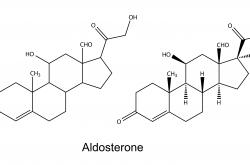
Hormone aldosterone is often severely decreased in adrenal fatigue patients. Learn to identify aldosterone imbalance and find out what you can do to correct it.Top 3 Home Tests for Adrenal Fatigue
Adrenal fatigue is often hard to diagnose as blood tests don't always show conclusive results. Learn 3 simple tests, which you can do in the privacy of your home that can tell you whether or not you are at risk for adrenal fatigue.Candida – Is Yeast Causing Your Fatigue Problems?
If you’re suffering from an overgrowth of the yeast known as Candida, chances are that you might also be experiencing a high level of fatigue as well. That makes sense, since the two often go hand-in-hand.













Leave a comment